
Nor-Shipping 2019

How to decarbonise shipping
Sidestepping the political hurdles in favour of setting out a pragmatic roadmap, what does a decarbonisation plan look like for shipping?

How to innovate in shipping
If the predicted ‘Uberisation’ of shipping comes to pass, shipowners who have not managed to adjust their business models from today may well end up being the Uber driver of the scenario
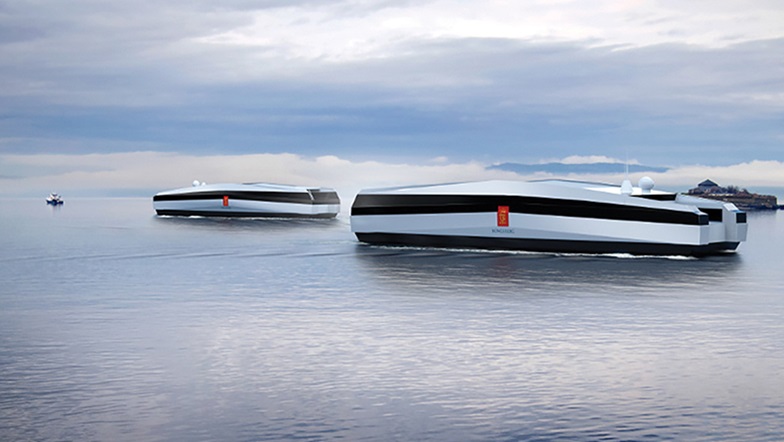
Who’s afraid of digitalisation?
Digital disruption will not just be about data; it will also be about people
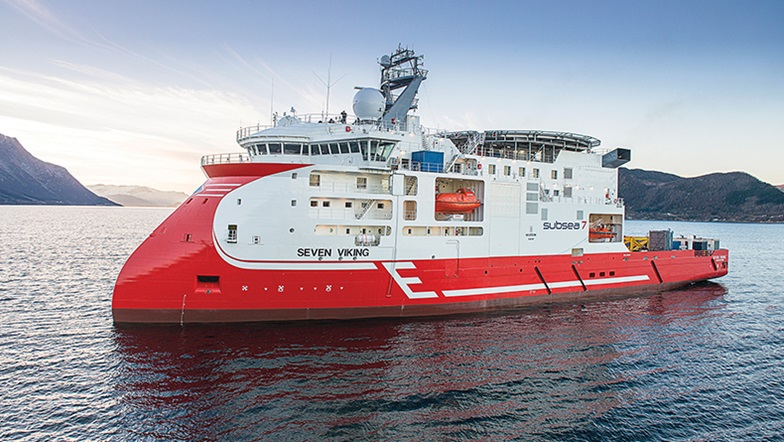
Shipping enters the ion age with battery technology
Norwegian shipowners and technology manufacturers are recognising that battery technology can reduce emissions and cut overall vessel operation costs

ECA on the fjords
The maritime industry that operates in the fjords will need to raise its game if it is to meet the new requirements


How to create value beyond the vessel
Circling disrupters are already cherry-picking lucrative models from an increasingly digitised shipping industry, seeking to monetise the data from operations rather than the cargo or the vessels themselves
From 2020 to 2050: The immediate issues of future fuels
2020 is only the beginning of a long and difficult transition that will define shipping’s future
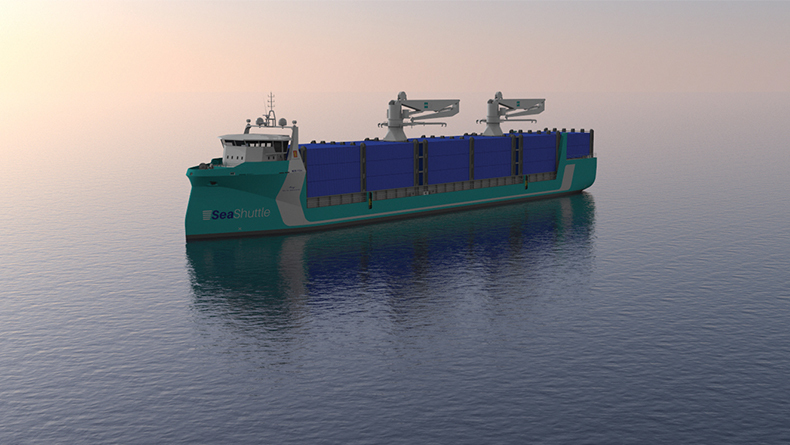
Why Norway is backing hydrogen as the key to decarbonising shipping by 2050
Norway’s vast sovereign wealth fund is underwriting a generational research and development project that could ultimately see hydrogen-fuelled ships replace the next-generation fleet in time to meet the shipping industry’s ambitious 2050 decarbonisation target

The secret of Norway's tech hub success
Technology hubs are starting to pop up across Norway, with data building up in the industry through more interconnected software
You must sign in to use this functionality
Authentication.SignIn.HeadSignInHeader
Email Article
All set! This article has been sent to my@email.address.
All fields are required. For multiple recipients, separate email addresses with a semicolon.
Please Note: Only individuals with an active subscription will be able to access the full article. All other readers will be directed to the abstract and would need to subscribe.