

Digitalisation
Digitalisation of the maritime sector may be progressing at a slower rate than in certain other sectors, but new technologies are gradually being integrated. Innovations such as artificial intelligence, the ‘internet of things’ and ‘smart’ ports are all on the horizon. However, challenges and concerns remain in regard to regulation, training, liabilities and costs
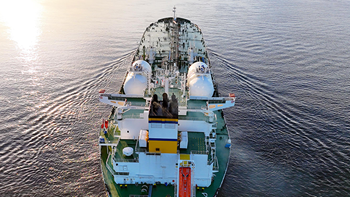
USA boards Iranian tanker as PGSA outlines Hormuz boundaries
The PGSA iterated that transits through the Strait of Hormuz require its approval, holding firm on its demands even as the US and Iran continue negotiating a peace deal

The Daily View Noises off
SHIPPING’S famed resilience and adaptability is all well and good, but in an era where agility is the new currency for the industry, not everyone is as nimble as they might want to be.
The dizzying pace of change seems to have been a consistent thread running through industry discussions this year.
We began the year talking to audiences about the unprecedented convergence of disruptions — trade wars, sanctions and geopolitical flashpoints all demanding attention simultaneously.
At our recent Tokyo Forum, those concerns were all still there and speed was once again the topic of the day.
Dealing with the complexity of risk and compliance challenges is one thing, but the fundamental challenge of operating in an environment where regulatory frameworks shift faster than businesses can adapt is starting to hit home.
When we polled Lloyd’s List readers at this point last year, more than two thirds of respondents conceded that the “average” shipping company is not equipped with sufficient expertise to navigate regulatory compliance over the next five years.
When we convene our annual Outlook Forum on December 11, we fully expect this year’s results to have hardened.
No shipowner would admit to being average — their egos would not allow it — but there is clearly a gap to be filled here.
It is a difficult time to be a shipowner. To be a small shipowner is increasingly unmanageable given the burdens accumulating on businesses ill-equipped to deal with them.
Perennial predictions of consolidation under such pressures have never played out before, but as younger generations become stewards of the resolutely fragmented middle of shipping’s average companies, questions will inevitably be asked.
At Lloyd’s List events, as with others, the public messages on stage continue to be defiant: in times of “geopolitics on steroids” shipowners must respond quickly.
Off stage, some voices are becoming more hesitant about the future, less convinced that constant disruption is going to buoy them through the turbulence, and more exhausted by the relentless pace of change.
Richard Meade
Editor-in-chief, Lloyd’s List
Click here to view the latest Lloyd’s List Daily Briefing

Private equity fund takes over Danaos Management and Procureship
A US fund, with no previous experience in maritime, has quietly been buying up key names in the Greek tech sector


Data takes centre stage in modern maritime operations
Treat data with the seriousness it deserves and expect more from analytics tools

Steady as she goes: UGS president Melina Travlos
Union of Greek Shipowners’ president Melina Travlos has made the case for shipping whenever and wherever the opportunity has arisen — from powerful international fora, to mountain villages and rural communities in Greece

Greek cluster puzzle starts to come together
There are plenty of reasons to be cheerful about the trajectory of the Greek maritime cluster, but plenty of work remains to be done, say backers

Europe’s new defence drive is worrying port bosses
Military mobility is emerging as a key pillar of the European Commission’s 2025 port strategy. But how should EU ports implement security measures? Must they all? And where will the funding come from?


Ships learn how to learn
Fincantieri’s new shipbuilding paradigm Navis Sapiens introduces the ‘smart ship’ concept
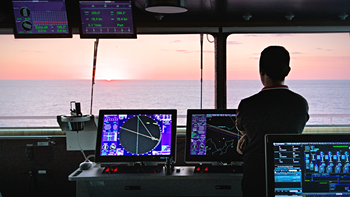
Growing administrative burden adding to crew fatigue problem
Minimum shipboard manning, increasing administration and growing compliance reporting means many vessel’s crew continue to be overloaded with work


Ship tracking is about to become a difficult conversation for some governments
A push within the IMO to review Long Range Identification and Tracking of vessels is likely to prove politically contentious, but if it goes ahead many flag states will be forced into some long overdue conversations regarding their oversight of vessel due diligence

Orca AI to advance autonomous shipping plans as it wins new investment
Orca AI said its latest funding round completion brings total raised to $111m
You must sign in to use this functionality
Authentication.SignIn.HeadSignInHeader
Email Article
All set! This article has been sent to my@email.address.
All fields are required. For multiple recipients, separate email addresses with a semicolon.
Please Note: Only individuals with an active subscription will be able to access the full article. All other readers will be directed to the abstract and would need to subscribe.