
Environment

Shipping stands on cusp of ‘something extraordinary’, says Frank
Shipping ‘endlessly exciting’ as a career, Angeliki Frangou tells engineering graduates and that technology will enable a new era of ‘proactive reliability’

USA boards Iranian tanker as PGSA outlines Hormuz boundaries
The PGSA iterated that transits through the Strait of Hormuz require its approval, holding firm on its demands even as the US and Iran continue negotiating a peace deal
Gods medicine tastes good
Wah Kwong Maritime Transport transforms itself into a fully-fledged owner-operator as shifting global trade routes drive sustained demand for versatile mid-sized bulkers

The Daily View Noises off
SHIPPING’S famed resilience and adaptability is all well and good, but in an era where agility is the new currency for the industry, not everyone is as nimble as they might want to be.
The dizzying pace of change seems to have been a consistent thread running through industry discussions this year.
We began the year talking to audiences about the unprecedented convergence of disruptions — trade wars, sanctions and geopolitical flashpoints all demanding attention simultaneously.
At our recent Tokyo Forum, those concerns were all still there and speed was once again the topic of the day.
Dealing with the complexity of risk and compliance challenges is one thing, but the fundamental challenge of operating in an environment where regulatory frameworks shift faster than businesses can adapt is starting to hit home.
When we polled Lloyd’s List readers at this point last year, more than two thirds of respondents conceded that the “average” shipping company is not equipped with sufficient expertise to navigate regulatory compliance over the next five years.
When we convene our annual Outlook Forum on December 11, we fully expect this year’s results to have hardened.
No shipowner would admit to being average — their egos would not allow it — but there is clearly a gap to be filled here.
It is a difficult time to be a shipowner. To be a small shipowner is increasingly unmanageable given the burdens accumulating on businesses ill-equipped to deal with them.
Perennial predictions of consolidation under such pressures have never played out before, but as younger generations become stewards of the resolutely fragmented middle of shipping’s average companies, questions will inevitably be asked.
At Lloyd’s List events, as with others, the public messages on stage continue to be defiant: in times of “geopolitics on steroids” shipowners must respond quickly.
Off stage, some voices are becoming more hesitant about the future, less convinced that constant disruption is going to buoy them through the turbulence, and more exhausted by the relentless pace of change.
Richard Meade
Editor-in-chief, Lloyd’s List
Click here to view the latest Lloyd’s List Daily Briefing


Shipping has ‘obligation’ to protect oceans, says IMO secretary-general
The IMO will announce two new industry alliances at the UN Ocean Conference in Nice, which officially opened today
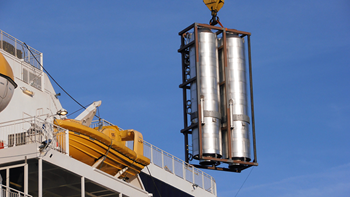
Owners installing more scrubbers despite months of weak fuel spreads
The buoyant newbuilding market has equated to even more scrubber installations, but there is also a surprisingly high number of retrofits planned, even as fuel spreads languish at low levels

What’s keeping shipping awake at night? Five key takeaways from Nor-Shipping 2025
The View from Oslo this week finds shipping executives bullish in the face of geopolitical turmoil, stoically sailing into a new world order of superpower rivalry, but still unclear on how to move forward with decarbonisation
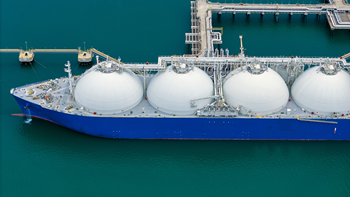
LNG steamers may get a stay of execution from IMO
Fuel costs for old, inefficient steam turbine LNG carriers could be the same as those of new ships under IMO green rules in 2032, Nor-Shipping was told


Electrification’s place in maritime decarbonisation
Expanding fleet electrification technologies will propel shipping’s sustainability drive, with prioritised safety and standardisation

EU under pressure to scrap green regulations
The EU is under pressure to scrap or align its ETS and FuelEU regulations to avoid double-taxing shipping once the IMO net zero framework is in place

Nuclear power a distraction, industry bosses warn
The bosses of Fortescue, Wallenius Wilhelmsen Logistics and Wartsila have dismissed nuclear power for shipping as too slow and too costly

Greek companies dominate at third ESG Shipping Awards
At a gala presentation in Athens, local owners and operators comprised half of the total companies recognised for their ESG achievements

Lomarlabs and BlueNose team up for fuel-saving aerodynamic innovation
The project, which was begun at art school in the UK, is latest in growing portfolio of tech collaborations for Lomar’s corporate venture lab

Who are the winners and losers of shipping’s decarbonised regulatory future?
In advance of Nor-Shipping, Lloyd’s List is examining industry attitudes towards carbon risks and opportunities

Why doing nothing about decarbonisation is now the most expensive option
The details of shipping’s net zero trajectory remain riddled with uncertainties, but when has shipping ever relied on certainty? This week’s edition of the podcast offers a resolutely rosy take on why shipping must now move ahead with green investment and why doing nothing comes with a highest price tag
You must sign in to use this functionality
Authentication.SignIn.HeadSignInHeader
Email Article
All set! This article has been sent to my@email.address.
All fields are required. For multiple recipients, separate email addresses with a semicolon.
Please Note: Only individuals with an active subscription will be able to access the full article. All other readers will be directed to the abstract and would need to subscribe.